





Healthwatch by Shyft

Looking for clarity on supplements?
Leave your details & our team will help you set up a consult
Sonali Sachdeva

Nutritionist | 22 Yrs. of experience

Sakina Hashmi

Nutritionist | 7 Yrs. of experience

Abhilasha Sharma

Nutritionist | 5 Yrs. of experience

Enter your details

Unlocking the Power of Vitamins and Minerals for Optimal Health

Unlocking the Power of Vitamins and Minerals for Optimal Health
Content
Content

When it comes to staying healthy, we all know that eating a balanced diet is essential. But did you know that vitamins and minerals play a crucial role in maintaining good health? These micronutrients are essential for the proper functioning of our bodies, and a deficiency can lead to a variety of health problems. In this blog, we will explore the importance of vitamins and minerals and how you can ensure that you are getting enough of them.

What are Vitamins and Minerals?

Vitamins and minerals are essential micronutrients that our bodies require in small amounts to function properly. Vitamins are organic compounds that our bodies cannot produce, while minerals are inorganic substances that are found in the earth’s crust. There are 13 essential vitamins and 16 essential minerals that our bodies need to maintain good health.

Why are Vitamins and Minerals Important?

Vitamins and minerals are essential for a variety of bodily functions, including:

  • Metabolism: Vitamins and minerals play a crucial role in the metabolic processes that convert food into energy.
  • Immune System: Many vitamins and minerals are essential for a healthy immune system, which helps us fight off infections and diseases.
  • Bone Health: Minerals like calcium and vitamin D are critical for strong bones and teeth.
  • Nervous System: Vitamins like B12 and minerals like magnesium are essential for a healthy nervous system.
  • Red Blood Cells: Vitamins like B12 and minerals like iron are necessary for the production of red blood cells, which carry oxygen throughout the body.
  • Skin and Hair: Vitamins like A and E are essential for healthy skin and hair.

What are the Different Types of Vitamins and Minerals?

Vitamins and minerals are classified into two groups: water-soluble and fat-soluble. Water-soluble vitamins dissolve in water and are not stored in the body, so they need to be replenished daily. Examples of water-soluble vitamins include vitamin C and the B-complex vitamins. Fat-soluble vitamins are stored in the body’s fat tissues and can accumulate to toxic levels if consumed in excess. Examples of fat-soluble vitamins include vitamins A, D, E, and K. Minerals are classified as either macrominerals or trace minerals, depending on the amount that the body requires. Macrominerals are required in larger amounts and include minerals like calcium, magnesium, and potassium. Trace minerals are required in smaller amounts and include minerals like iron, zinc, and selenium.
How Can You Ensure that You are Getting Enough Vitamins and Minerals?

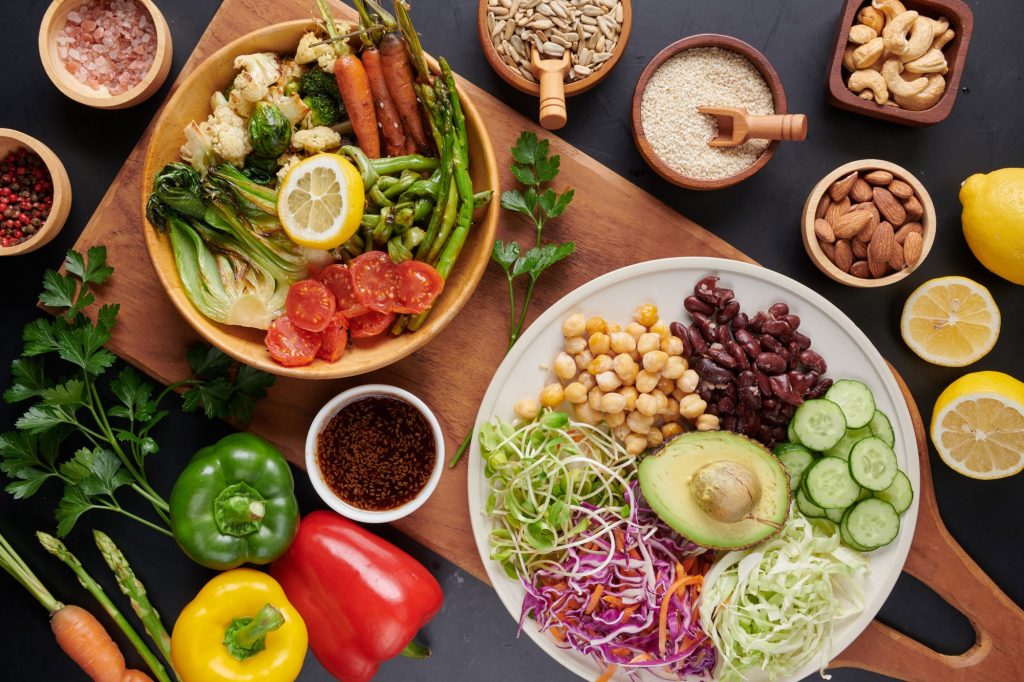
The best way to ensure that you are getting enough vitamins and minerals is to eat a balanced diet that includes a variety of nutrient-dense foods. Here are some tips to help you get started:

  1. Eat a Rainbow: Include a variety of colourful fruits and vegetables in your diet. Different colours of fruits and vegetables contain different vitamins and minerals, so eating a rainbow ensures that you are getting a variety of nutrients.
  1. Choose Whole Foods: Processed foods are often stripped of their nutrients. Choose whole, unprocessed foods like fruits, vegetables, whole grains, and lean proteins.
  1. Get Enough Calcium and Vitamin D: Calcium and vitamin D are critical for strong bones and teeth. Good sources of calcium include dairy products, leafy green vegetables, and fortified foods like tofu and orange juice. Vitamin D can be found in fatty fish, egg yolks, and fortified foods like milk and cereal.
  1. Include Healthy Fats: Fat-soluble vitamins like A, D, E, and K require fat for absorption. Include healthy fats like nuts, seeds, and avocados in your diet to ensure that you are absorbing these vitamins.
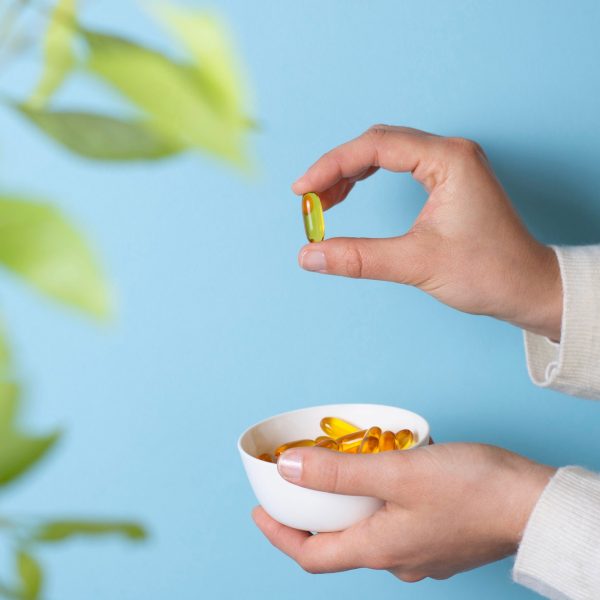
  1. Consider Supplements: If you have trouble getting enough vitamins and minerals from your diet, consider taking a multivitamin or a targeted supplement. However, it is important to remember that supplements should not be a replacement for a healthy diet.
  1. Be Aware of Interactions: Some vitamins and minerals can interact with medications or other supplements, so it is important to be aware of any potential interactions before taking any supplements.

If you have any concerns about your vitamin and mineral intake, consult with a healthcare professional. They can help you determine if you are getting enough of the nutrients you need and recommend any necessary supplements.

Takeaway

Vitamins and minerals are essential for good health. By eating a balanced diet that includes a variety of nutrient-dense foods, you can ensure that you are getting enough of these micronutrients. However, if you have any concerns about your vitamin and mineral intake, it is always best to consult with a healthcare professional.

Author:
Shyft Health

Shyft

linkedin
Shyft is your trusted source for health and wellness insights. We collaborate with a network of writers and health experts to curate evidence-based content. This content is further vetted and reviewed by our team of internal experts. Our platform is dedicated to providing you with reliable, accessible health information so you can make informed choices for a healthier life. read more

Over 20,000 customers have reduced their symptoms and improved their health by consulting Shyft's Clinical Nutritionists. When are you starting?

READ MORE ON :

Article By:

Read more

Continue to read on a range of topics related to Exercise, Nutrition, Mental Health and Sleep Health.

Folic Acid Is A Prenatal Super-Nutrient: Here’s Why You Need It During Pregnancy

Pregnant or expecting mothers must take extra special care of their diets in order to ensure a healthy pregnancy and baby. While there are many options for prenatal nutrition, one nutritional powerhouse that is especially important for pregnant women is folic acid. Read on to learn why folic acid is so important during pregnancy and how you can make sure you’re getting enough of it in your diet. Folic Acid in Prenatal Nutrition Folic acid is a nutrient found in… Read more

Featured

Folic Acid Is A Prenatal Super-Nutrient: Here’s Why You Need It During Pregnancy

Folic Acid Is A Prenatal Super-Nutrient: Here’s Why You Need It During Pregnancy

Pregnant or expecting mothers must take extra special care of their diets in order to ensure a healthy pregnancy and baby. While there are many options for prenatal nutrition, one nutritional powerhouse that is especially important for pregnant women is folic acid. Read on to learn why folic acid is so important during pregnancy and how you can make sure you’re getting enough of it in your diet. Folic Acid in Prenatal Nutrition Folic acid is a nutrient found in…

book

5 minutes

|

calendar

06 Aug 2023

Featured

Understanding Latex Allergy

4 minutes

06 Apr 2023

Understanding Latex Allergy

Have you ever felt the sensation of itching or burning as soon as you come into contact with rubber gloves? Does your throat begin to close up when you try to blow air into a balloon? Can a simple stethoscope check make your heartbeat regular and bring on a bout of nausea? If you have experienced any of these issues you may be allergic to latex. Latex is a common constituent of several medical and consumer items such as bath… Read more

Most read

Understanding Latex Allergy

Understanding Latex Allergy

Have you ever felt the sensation of itching or burning as soon as you come into contact with rubber gloves? Does your throat begin to close up when you try to blow air into a balloon? Can a simple stethoscope check make your heartbeat regular and bring on a bout of nausea? If you have experienced any of these issues you may be allergic to latex. Latex is a common constituent of several medical and consumer items such as bath…

book

4 minutes

|

calendar

06 Apr 2023

Most read

Hypothyroidism Diet: What to Eat and What to Avoid?

Are you still confused and find yourself wondering whether you should or should not go for that favourite recipe of yours since your doctor said the word “hypothyroidism” the last time you visited? Don’t worry! We’ve got your back on this. In this article, we will discuss what you should eat and what you should avoid in case you suffer from “hypothyroidism”. Did I hear the word “thyroid”? Well, the thyroid gland is a bilobed endocrine gland which is also… Read more

Hypothyroidism Diet: What to Eat and What to Avoid?

Hypothyroidism Diet: What to Eat and What to Avoid?

Are you still confused and find yourself wondering whether you should or should not go for that favourite recipe of yours since your doctor said the word “hypothyroidism” the last time you visited? Don’t worry! We’ve got your back on this. In this article, we will discuss what you should eat and what you should avoid in case you suffer from “hypothyroidism”. Did I hear the word “thyroid”? Well, the thyroid gland is a bilobed endocrine gland which is also…

book

3 minutes

|

calendar

11 Apr 2023

5 Reasons Why a Low-Carb Diet Can Improve Your Health

As the saying goes, "You are what you eat." This age-old adage emphasizes the importance of eating a healthy and balanced diet for overall well-being. One type of diet that has gained popularity in recent years is a low-carb diet. This diet involves reducing the intake of carbohydrates, which are found in foods such as bread, pasta, and rice, and increasing the consumption of protein and healthy fats. In this blog, we will discuss the benefits of eating a low-carb… Read more

Featured

5 Reasons Why a Low-Carb Diet Can Improve Your Health

5 Reasons Why a Low-Carb Diet Can Improve Your Health

As the saying goes, "You are what you eat." This age-old adage emphasizes the importance of eating a healthy and balanced diet for overall well-being. One type of diet that has gained popularity in recent years is a low-carb diet. This diet involves reducing the intake of carbohydrates, which are found in foods such as bread, pasta, and rice, and increasing the consumption of protein and healthy fats. In this blog, we will discuss the benefits of eating a low-carb…

book

4 minutes

|

calendar

05 Apr 2023

Featured

Checkout some healthy recipes that taste good, approved by our nutritionists

View all
Understanding Metabolism

Baked Feta Chickpeas

A simple, delicious & healthy meal - a fantastic appetizer or meal on its own.

11 INGREDIENTS

|

60 MINS.

Understanding Metabolism

Cheese Soup

A creamy blend of cheese & vegetables perfect for a cold winter day!

9 INGREDIENTS

|

30 MINS.

Understanding Metabolism

Whole Wheat Waffles

Crisp, light and super easy-to-make waffles - no one will ever suspect they're made with 100% whole wheat flour!

11 INGREDIENTS

|

15 MINS.

Understanding Metabolism

Vegetable Frankie

Spiced vegetables wrapped in chappati - a satiating snack that can be relished even on the go!

6 INGREDIENTS

|

30 MINS.

Understanding Metabolism

Beetroot Chilla

A nutrient dense recipe with added benefits of beetroot & gram flour.

7 INGREDIENTS

|

30 MINS.

Understanding Metabolism

Spinach Khichdi

A wholesome dish made with lentils, rice and spinach

13 INGREDIENTS

|

45 MINS.

Understanding Metabolism

Omlette Curry

An appetizing curry made with cut pieces of egg omelette

9 INGREDIENTS

|

30 MINS.

Understanding Metabolism

Apple Ginger Chutney

Zesty peppery and sweet, with a pungent and spicy aroma

7 INGREDIENTS

|

30 MINS.

View all