







Healthwatch by Shyft

Looking for some healthy eating advice?
Leave your details & our team will help you set up a consult
Sonali Sachdeva

Nutritionist | 22 Yrs. of experience

Sakina Hashmi

Nutritionist | 7 Yrs. of experience

Abhilasha Sharma

Nutritionist | 5 Yrs. of experience

Enter your details

5 Reasons Why a Low-Carb Diet Can Improve Your Health

5 Reasons Why a Low-Carb Diet Can Improve Your Health
Content
Content

As the saying goes, “You are what you eat.” This age-old adage emphasizes the importance of eating a healthy and balanced diet for overall well-being. One type of diet that has gained popularity in recent years is a low-carb diet.

This diet involves reducing the intake of carbohydrates, which are found in foods such as bread, pasta, and rice, and increasing the consumption of protein and healthy fats. In this blog, we will discuss the benefits of eating a low-carb diet and how it can improve your health.

Understanding the Low-Carb Diet

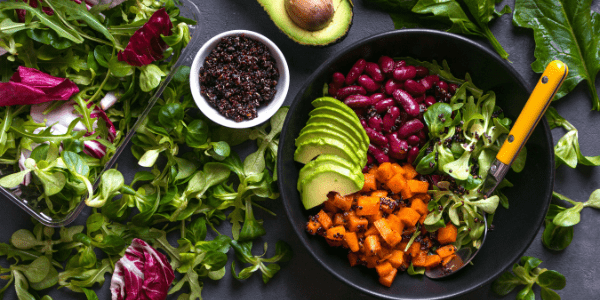
Before we delve into the benefits of a low-carb diet, it is important to understand what it entails. A low-carb diet is a dietary approach that limits the intake of carbohydrates to less than 130 grams per day. This typically involves reducing or eliminating foods that are high in carbohydrates, such as bread, pasta, and rice, and increasing the consumption of protein and healthy fats, such as meat, fish, nuts, and avocados.

Benefit #1: Weight Loss

One of the primary benefits of a low-carb diet is weight loss. When you eat carbohydrates, your body converts them into glucose, which is used for energy. However, if you consume more carbohydrates than your body needs, it stores the excess as fat. By reducing your carbohydrate intake, your body is forced to burn fat for energy instead of glucose, which can lead to weight loss.

Benefit #2: Improved Blood Sugar Control

Another benefit of a low-carb diet is improved blood sugar control. Carbohydrates are broken down into glucose, which causes a spike in blood sugar levels. Over time, this can lead to insulin resistance, a condition in which the body is no longer able to effectively use insulin to regulate blood sugar levels. By reducing your carbohydrate intake, you can help to regulate your blood sugar levels and improve insulin sensitivity.

Benefit #3: Reduced Risk of Chronic Diseases

A low-carb diet has also been shown to reduce the risk of chronic diseases such as heart disease, diabetes, and certain types of cancer. One study found that a low-carb diet effectively reduced blood pressure, triglycerides, and LDL cholesterol, all of which are risk factors for heart disease. Additionally, a low-carb diet has been shown to improve insulin sensitivity, which can help to prevent and manage diabetes.

Benefit #4: Increased Energy and Mental Clarity

Many people who follow a low-carb diet report increased energy levels and mental clarity. This is because the body is using fat for energy instead of glucose, which can lead to more stable blood sugar levels and a more consistent supply of energy. Additionally, some studies have shown that a low-carb diet can improve cognitive function and mental clarity.

Benefit #5: Improved Digestive Health

A low-carb diet can also improve digestive health by reducing inflammation and promoting the growth of healthy gut bacteria. Carbohydrates can be difficult to digest, especially for those with digestive issues such as irritable bowel syndrome (IBS). By reducing carbohydrate intake, the digestive system can function more efficiently, leading to improved digestive health.

Getting Started on a Low-Carb Diet

If you are interested in trying a low-carb diet, there are a few things to keep in mind. First, it is important to speak with a healthcare provider or registered dietitian to ensure that a low-carb diet is safe and appropriate for you.

Additionally, it is important to focus on consuming healthy sources of protein and fats, such as lean meats, fish, nuts, and avocados, and to limit processed and high-sugar foods.

Takeaway

A low-carb diet can provide numerous benefits for your health, including weight loss, improved blood sugar control, reduced risk of chronic diseases, increased energy and mental clarity, and improved digestive health. By reducing your carbohydrate intake and focusing on healthy sources of protein and fats, you can improve your overall health and well-being.

However, it is important to consult with a healthcare provider or registered dietitian before starting any new diet with proper guidance and a commitment to a healthy lifestyle, a low-carb diet can help you achieve your health goals and live your best life.

Author:
Prachi Kalra

Prachi Kalra

linkedin
Nutrition
Prachi is a nutrition and wellness expert with over 2.5 years of experience. She has worked in both in-patient and out-patient settings in Multispeciality Hospitals, including Max Hospital. She has experience curating nutrition-focused content for various conditions including PCOS, Diabetes, Thyroid, and Weight Management. She holds an M.Sc degree in Food Science and Nutrition and is also a certified Diabetes Educator. Her areas of specialization include diabetes, weight management, and dietary management for post-bariatric surgery. She believes that sustainable and mindful eating practices are essential for healing and overall well-being. read more

Over 20,000 customers have reduced their symptoms and improved their health by consulting Shyft's Clinical Nutritionists. When are you starting?

READ MORE ON :

Article By:

Read more

Continue to read on a range of topics related to Exercise, Nutrition, Mental Health and Sleep Health.

Is the Keto Diet for you?

6 minutes

06 Aug 2023

Is the Keto Diet for you?

Who has not heard about the craze of keto? The Keto diet has almost become synonymous with weight loss. “ I lost so many kilos while eating my favourite food!” is the tagline of all keto promotions. But is it all that it is made out to be? Is the weight loss here to stay? What about the health damage? If you are confused about trying this diet, we are here to make your decision easier with a pros and… Read more

Most read

Is the Keto Diet for you?

Is the Keto Diet for you?

Who has not heard about the craze of keto? The Keto diet has almost become synonymous with weight loss. “ I lost so many kilos while eating my favourite food!” is the tagline of all keto promotions. But is it all that it is made out to be? Is the weight loss here to stay? What about the health damage? If you are confused about trying this diet, we are here to make your decision easier with a pros and…

book

6 minutes

|

calendar

06 Aug 2023

Most read

The Gut-Check: The Impact of Skipping Meals

Think twice before skipping that meal, as it could very well be the key to unlocking the secrets of a healthy gut! From aiding in digestion and absorption of nutrients to supporting our immune system and even influencing our mood and mental health, the gut microbiome is a complex and fascinating part of our bodies. But did you know that one simple habit, like skipping meals, can have a significant impact on this delicate balance of bacteria in our gut?… Read more

Editor’s pick

The Gut-Check: The Impact of Skipping Meals

The Gut-Check: The Impact of Skipping Meals

Think twice before skipping that meal, as it could very well be the key to unlocking the secrets of a healthy gut! From aiding in digestion and absorption of nutrients to supporting our immune system and even influencing our mood and mental health, the gut microbiome is a complex and fascinating part of our bodies. But did you know that one simple habit, like skipping meals, can have a significant impact on this delicate balance of bacteria in our gut?…

book

4 minutes

|

calendar

05 Aug 2023

Editor’s pick

The Power of Whole Foods: Why You Should Incorporate Them into Your Diet

Eating whole foods means consuming food in its natural state or as close to it as possible. It means avoiding processed foods, which have added sugars, preservatives, and chemicals that can negatively affect our health. In today's fast-paced world, where convenience foods are readily available, it's easy to overlook the importance of whole foods in our diets. However, incorporating whole foods into our diets is crucial for our overall health and well-being. What Are Whole Foods? Whole foods are foods… Read more

Featured

The Power of Whole Foods: Why You Should Incorporate Them into Your Diet

The Power of Whole Foods: Why You Should Incorporate Them into Your Diet

Eating whole foods means consuming food in its natural state or as close to it as possible. It means avoiding processed foods, which have added sugars, preservatives, and chemicals that can negatively affect our health. In today's fast-paced world, where convenience foods are readily available, it's easy to overlook the importance of whole foods in our diets. However, incorporating whole foods into our diets is crucial for our overall health and well-being. What Are Whole Foods? Whole foods are foods…

book

4 minutes

|

calendar

05 Apr 2023

Featured

Micronutrients and Their Role in a Healthy Diet: Everything You Need to Know

When it comes to maintaining a healthy diet, it's easy to focus solely on macronutrients like carbohydrates, protein, and fat. However, micronutrients are equally important for overall health and well-being. In this blog, we'll delve into what micronutrients are, why they're essential, and how to ensure you're getting enough of them in your everyday diet. What are Micronutrients? Micronutrients are nutrients that the body needs in small amounts to function properly. Unlike macronutrients, which provide the body with energy, micronutrients… Read more

Micronutrients and Their Role in a Healthy Diet: Everything You Need to Know

Micronutrients and Their Role in a Healthy Diet: Everything You Need to Know

When it comes to maintaining a healthy diet, it's easy to focus solely on macronutrients like carbohydrates, protein, and fat. However, micronutrients are equally important for overall health and well-being. In this blog, we'll delve into what micronutrients are, why they're essential, and how to ensure you're getting enough of them in your everyday diet. What are Micronutrients? Micronutrients are nutrients that the body needs in small amounts to function properly. Unlike macronutrients, which provide the body with energy, micronutrients…

book

4 minutes

|

calendar

06 Apr 2023

Checkout some healthy recipes that taste good, approved by our nutritionists

View all
Understanding Metabolism

Baked Feta Chickpeas

A simple, delicious & healthy meal - a fantastic appetizer or meal on its own.

11 INGREDIENTS

|

60 MINS.

Understanding Metabolism

Cheese Soup

A creamy blend of cheese & vegetables perfect for a cold winter day!

9 INGREDIENTS

|

30 MINS.

Understanding Metabolism

Whole Wheat Waffles

Crisp, light and super easy-to-make waffles - no one will ever suspect they're made with 100% whole wheat flour!

11 INGREDIENTS

|

15 MINS.

Understanding Metabolism

Vegetable Frankie

Spiced vegetables wrapped in chappati - a satiating snack that can be relished even on the go!

6 INGREDIENTS

|

30 MINS.

Understanding Metabolism

Beetroot Chilla

A nutrient dense recipe with added benefits of beetroot & gram flour.

7 INGREDIENTS

|

30 MINS.

Understanding Metabolism

Spinach Khichdi

A wholesome dish made with lentils, rice and spinach

13 INGREDIENTS

|

45 MINS.

Understanding Metabolism

Omlette Curry

An appetizing curry made with cut pieces of egg omelette

9 INGREDIENTS

|

30 MINS.

Understanding Metabolism

Apple Ginger Chutney

Zesty peppery and sweet, with a pungent and spicy aroma

7 INGREDIENTS

|

30 MINS.

View all